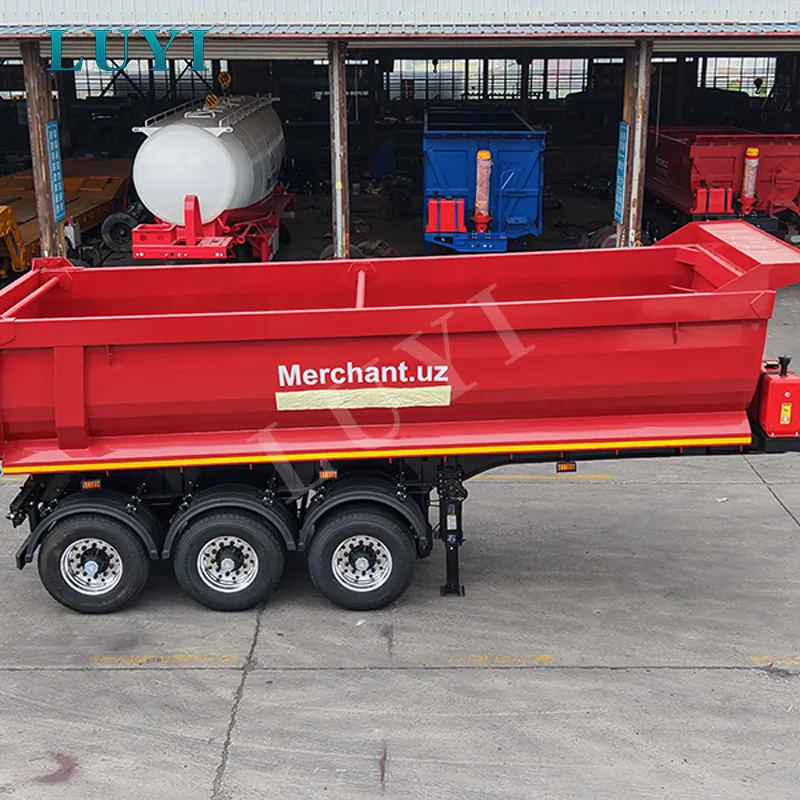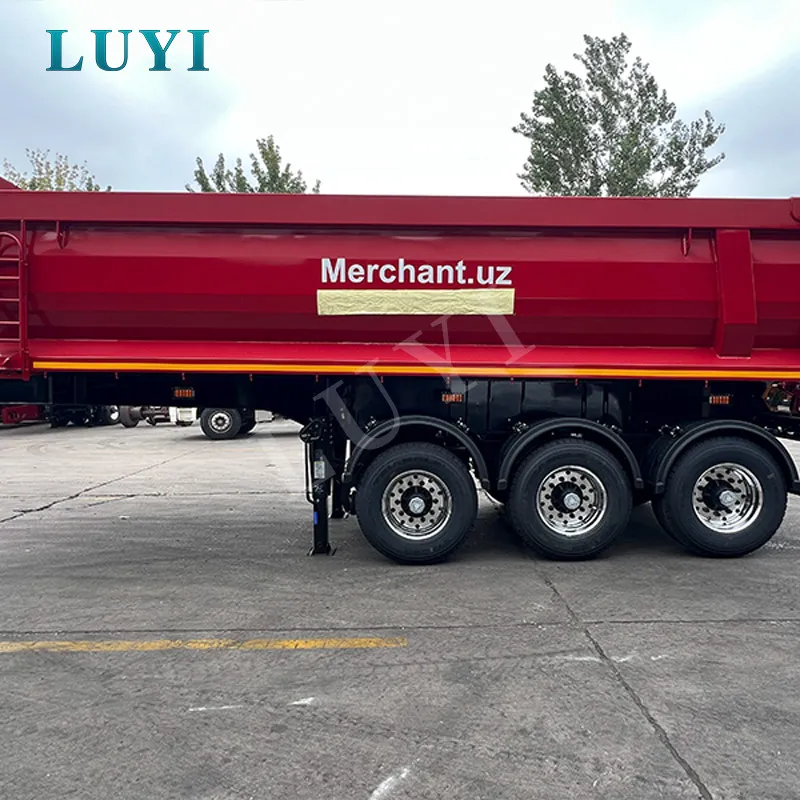

South America’s agricultural areas cover extremely vast rural territories, with Brazil, Argentina and Chile serving as core crop-producing regions. These farm zones feature wide land coverage and scattered planting areas, bringing unique challenges for seasonal crop transportation. Many local logistics practitioners opt for flat semi trailers for long-distance harvest delivery, as conventional enclosed trailers struggle to adapt to flexible and large-volume farm shipping scenarios.
The open flat deck structure constitutes the biggest advantage in actual farm operations. Without wall and roof restrictions, workers can finish loading and unloading grains, corn, soybeans and sugarcane-related goods from all sides, which greatly improves work efficiency during the tight harvest season. In addition to various bulk crops, the trailer can also carry large harvesting machines and daily farm equipment. Its solid frame and durable axle structure adapt well to rough rural road conditions, ensuring safe and stable operation during long-distance cross-region transportation.
These flatbed trailers deliver real, everyday economic benefits for local farmers and logistics fleets operating across the continent. Built light yet tough, they never compromise on load capacity while cutting down fuel expenses on those lengthy cross-country routes, which helps businesses keep logistics costs low. They perfectly connect outlying farm fields, on-site storage yards and major regional transit hubs, minimizing cargo pileups and crop spoilage during the busy, high-pressure harvest periods. Highly durable and easy to adapt to various haulage needs, these trailers have long stood as one of the most reliable and widely used transport options for South America’s seasonal agricultural freight.