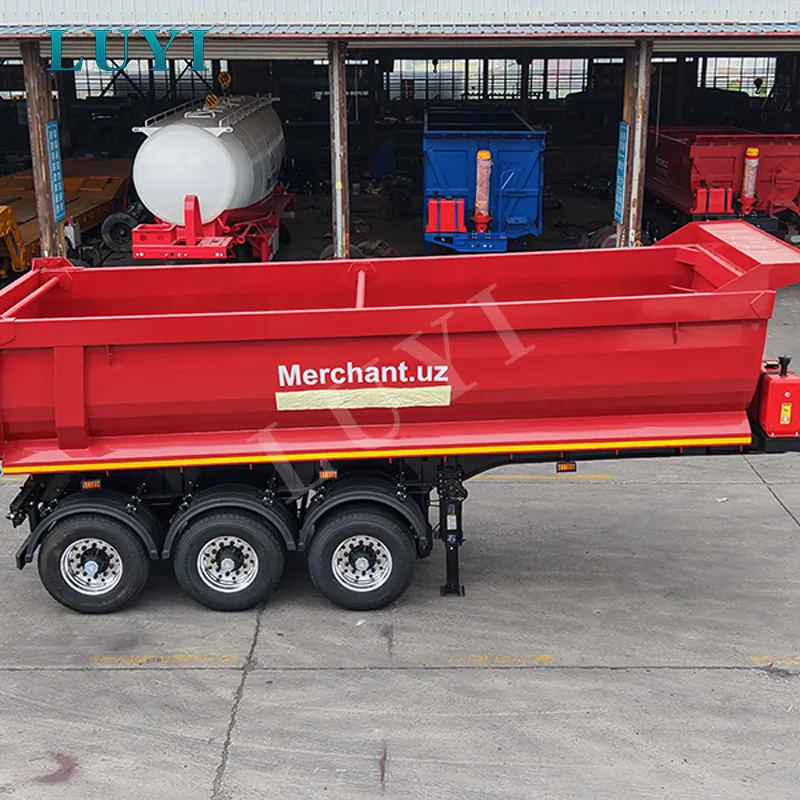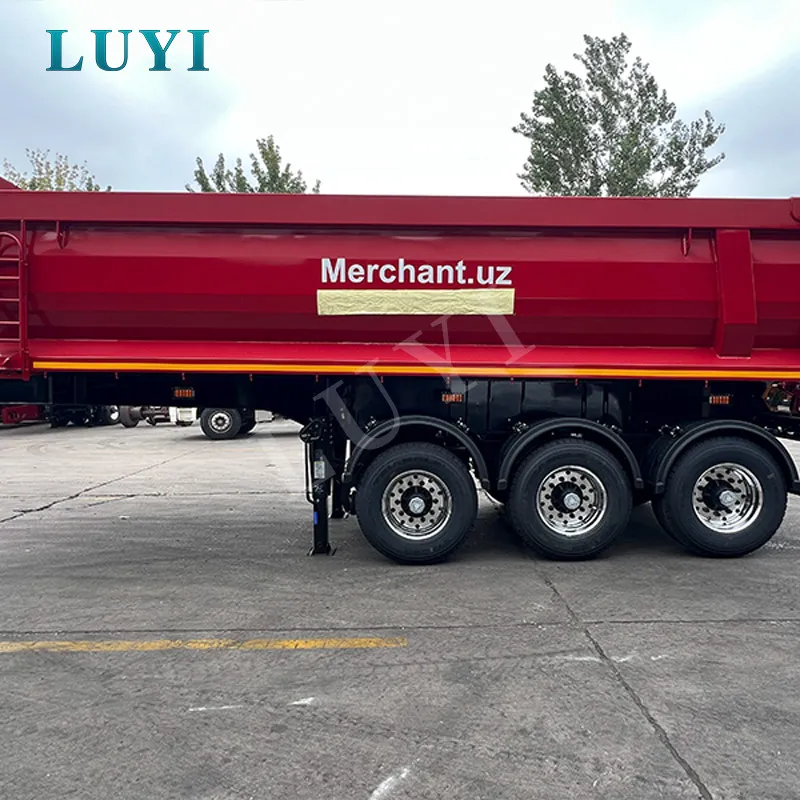

Flat semi trailers have become core transportation equipment for efficient goods distribution in Central Asia’s cross-border trade, adapting well to the region’s diverse cargo types and complex overland logistics conditions. Unlike enclosed trailers, their open flat platform design enables flexible loading and unloading of oversized, overlong and bulk goods, including steel structures, mechanical equipment, building materials and palletized commodities, which are mainstream cross-border cargoes between China and Central Asian countries such as Kazakhstan and Uzbekistan. This structural advantage greatly shortens loading and unloading time and improves terminal turnover efficiency.
In practical cross-border operations, standardized flat semi trailer fleets have achieved remarkable efficiency improvements through optimized distribution strategies. Logistics enterprises adopt cargo consolidation and route scheduling mechanisms, integrating scattered small-batch orders into full-load shipments for mainstream cross-border lanes, effectively raising vehicle utilization and cutting unit logistics costs. Equipped with reinforced load-bearing structures and stable fixing systems, these trailers adapt to rugged mountain roads and long-distance highway transportation in Central Asia, ensuring cargo safety during transit.
Furthermore, flat semi trailers fit seamlessly with integrated cross-border customs clearance modes. Their open structure facilitates rapid customs inspection and reduces border detention time. With the booming Middle Corridor trade and improving regional road infrastructure, standardized flat semi trailer distribution practices have become a key driver of streamlined, cost-effective and high-efficiency cross-border cargo circulation in Central Asia’s trade landscape.