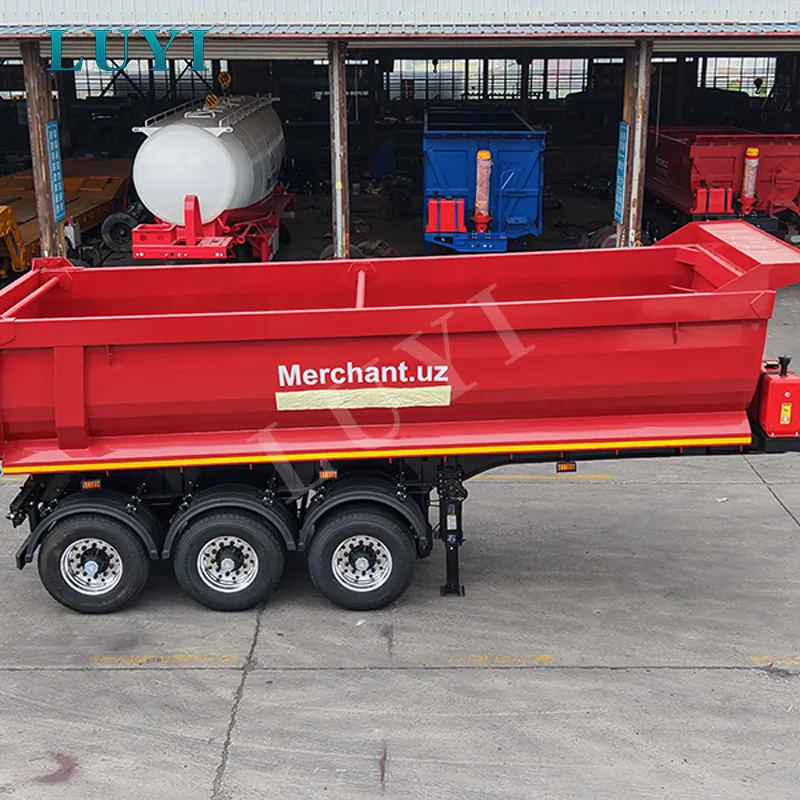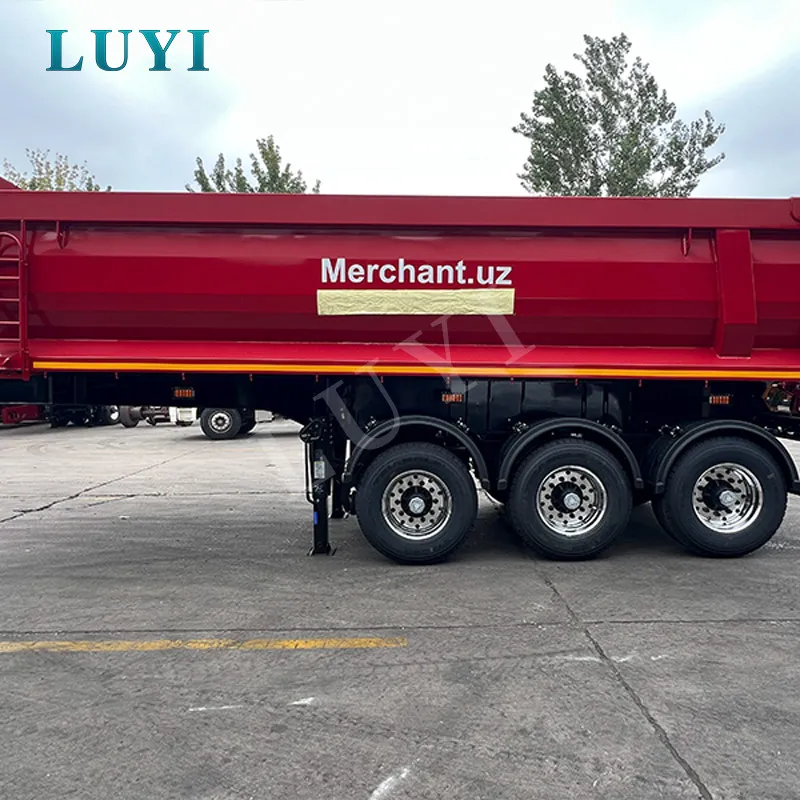

Mining work across Southern Africa poses plenty of real‑world challenges for transport teams. Most mine sites have no paved roads. Haulage vehicles travel over sharp‑edged rock, carry highly abrasive ore, and work non‑stop under intense heat. Ordinary tipper trailers wear out fast here. Operators face constant part changes, unplanned stops and high running bills, which hurt overall project progress. That explains why many mine contractors running several separate sites choose wear‑resistant tipper semi‑trailers. These units move iron ore, bauxite, crushed rock and mine spoil day in and day out, offering practical bulk haulage between different mine zones.
Built for actual mine‑site use, these trailers use Hardox steel plates together with heavy‑duty reinforced frames. When workers load and dump hard minerals repeatedly, the body takes constant scraping and pounding. This material combination slows abrasion and avoids frame bending, something standard models cannot match. Its dust‑sealed hydraulic tipping system will not get jammed by fine mine dust. Thickened heavy‑load tires plus anti‑rust chassis coating let trailers run reliably on bumpy tracks amid hot‑humid local weather for cross‑site assignments.
How you manage the fleet makes a real difference on‑site. Dispatch crews shift trailers around according to each mine’s current workload, so fewer vehicles sit idle. Technicians carry out simple regular checks: inspect easy‑to‑wear parts and add lubricant on schedule. This small routine prevents sudden failures and lengthens trailer service life. Local spare‑part stock points in Southern Africa support quick field repairs, so transport disruptions stay short.
When you look at long‑run project returns, this specialised fleet reduces repeated replacement and maintenance spending. It keeps material flows steady for scattered mine sites and delivers solid logistical support for local mining production.