Key Applications:
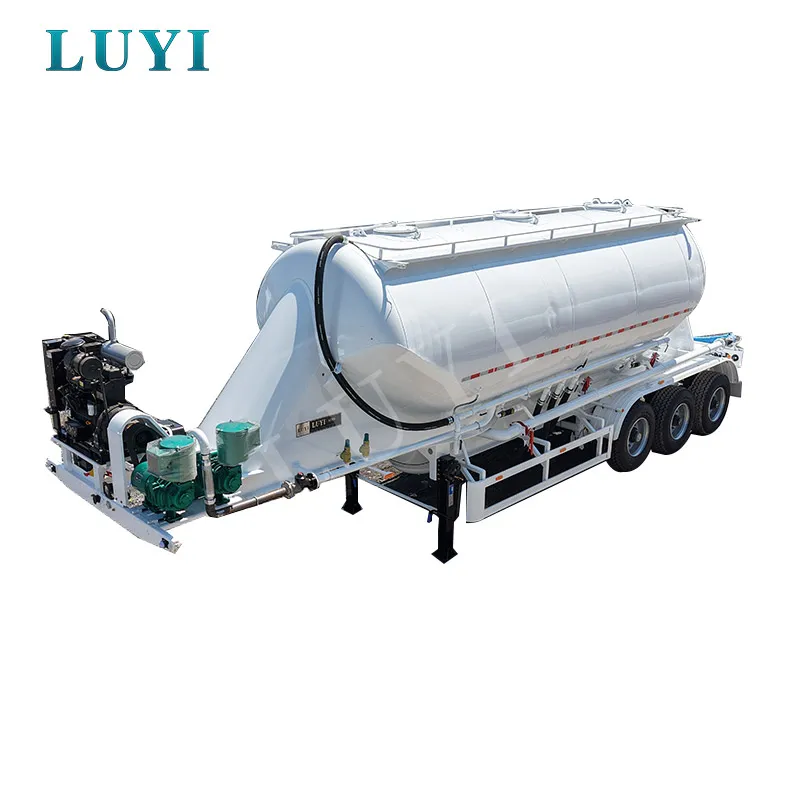
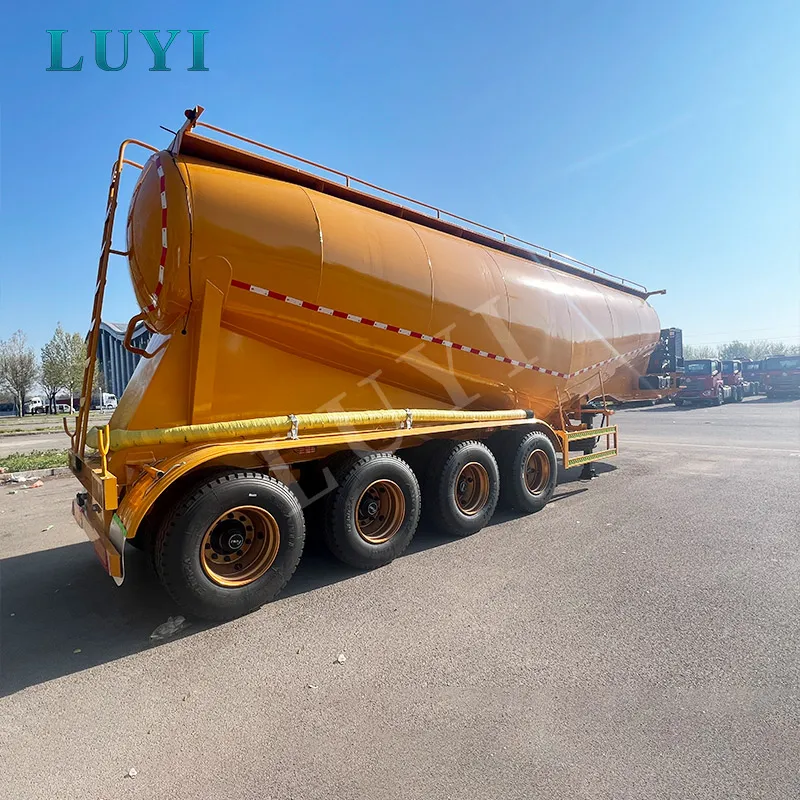
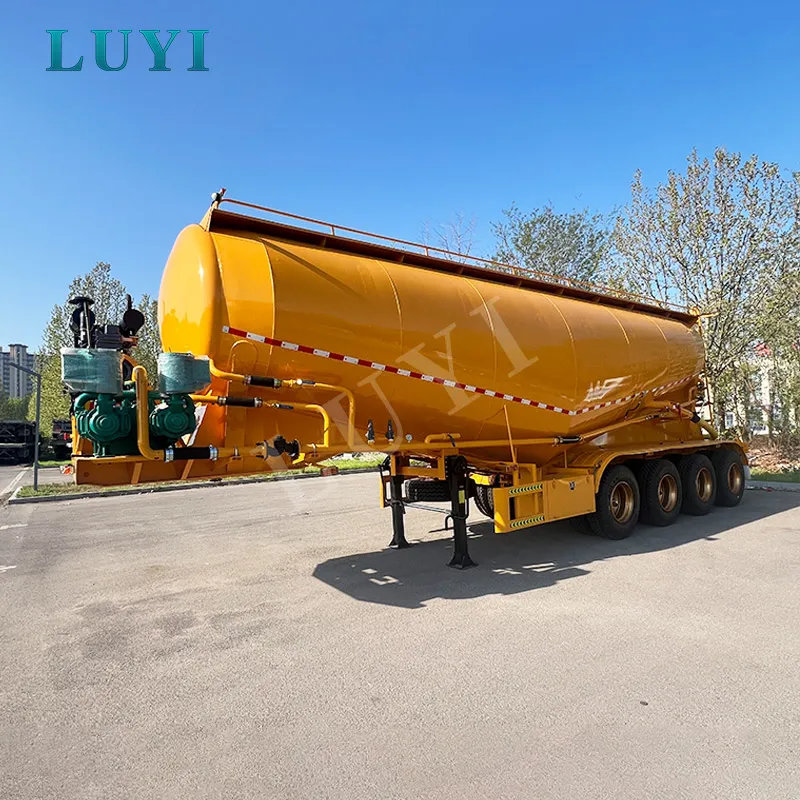
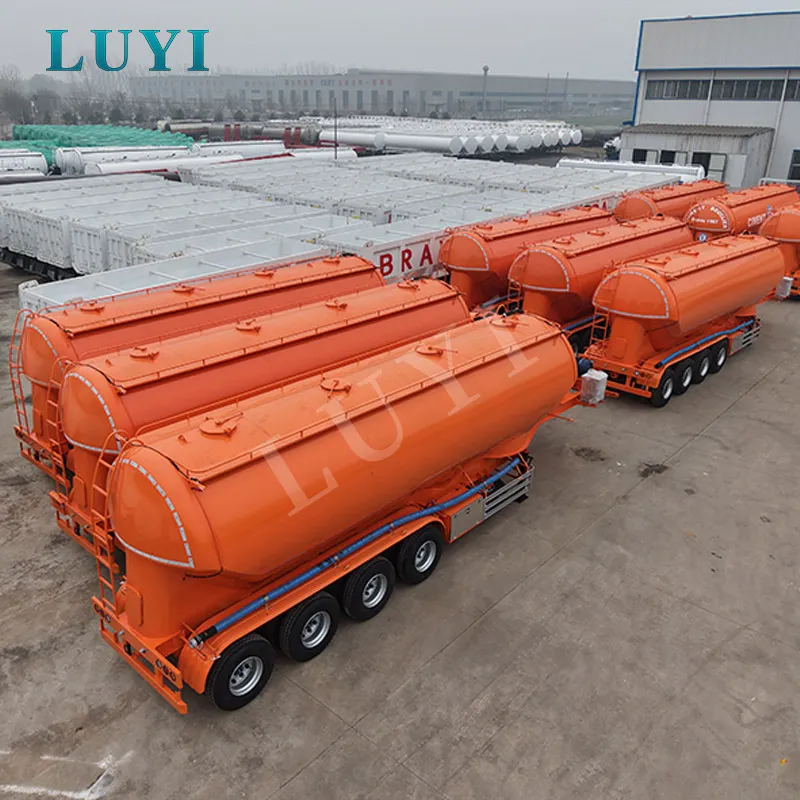
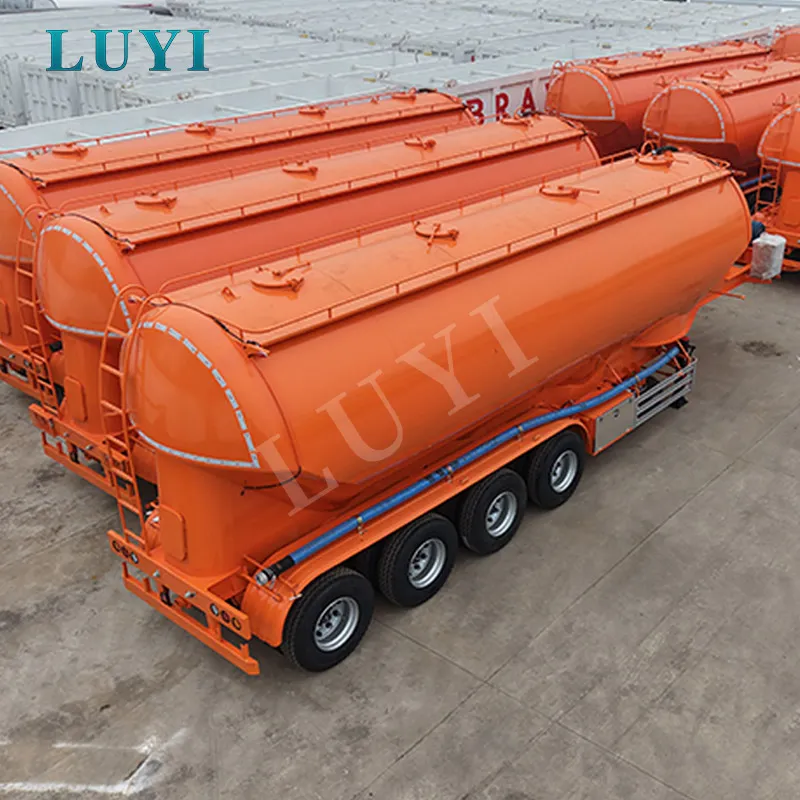
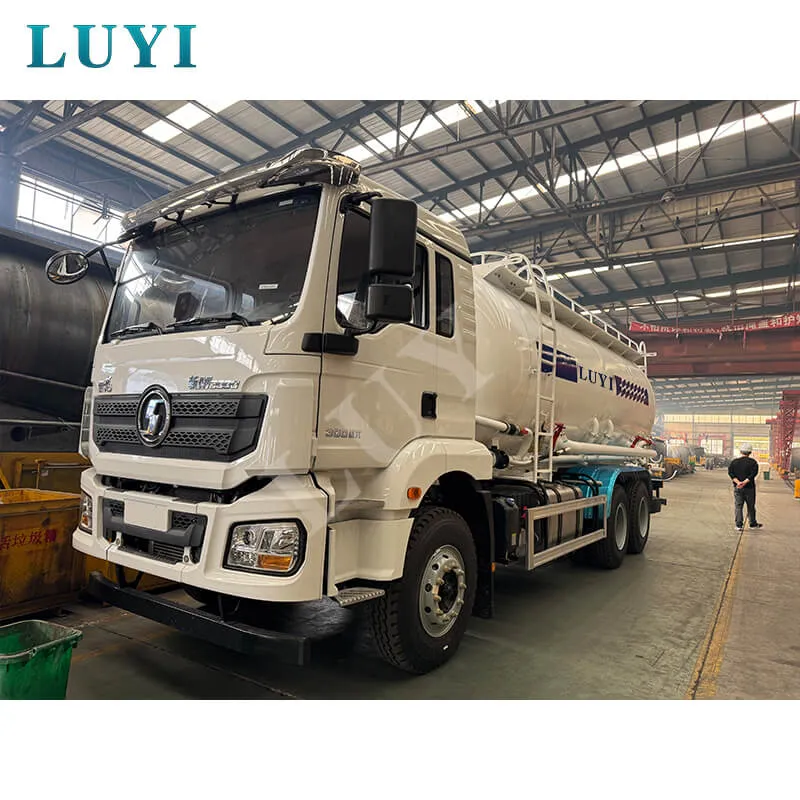
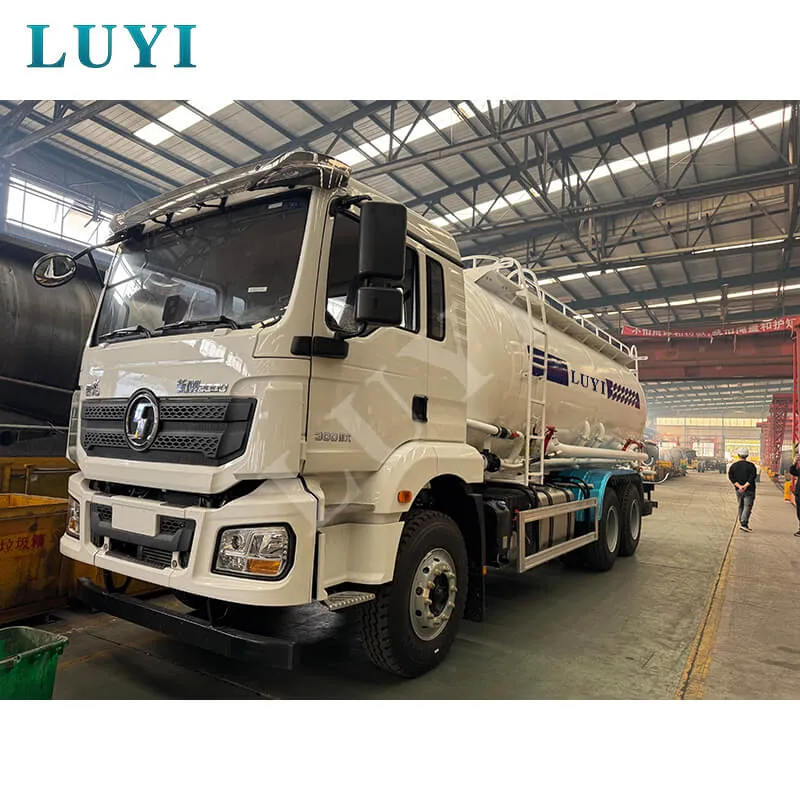
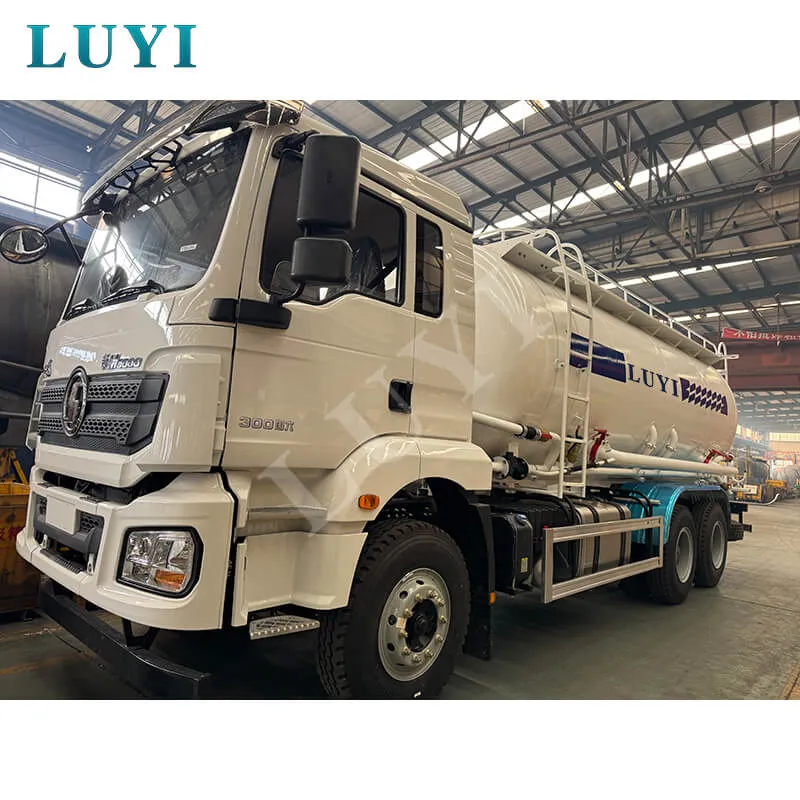
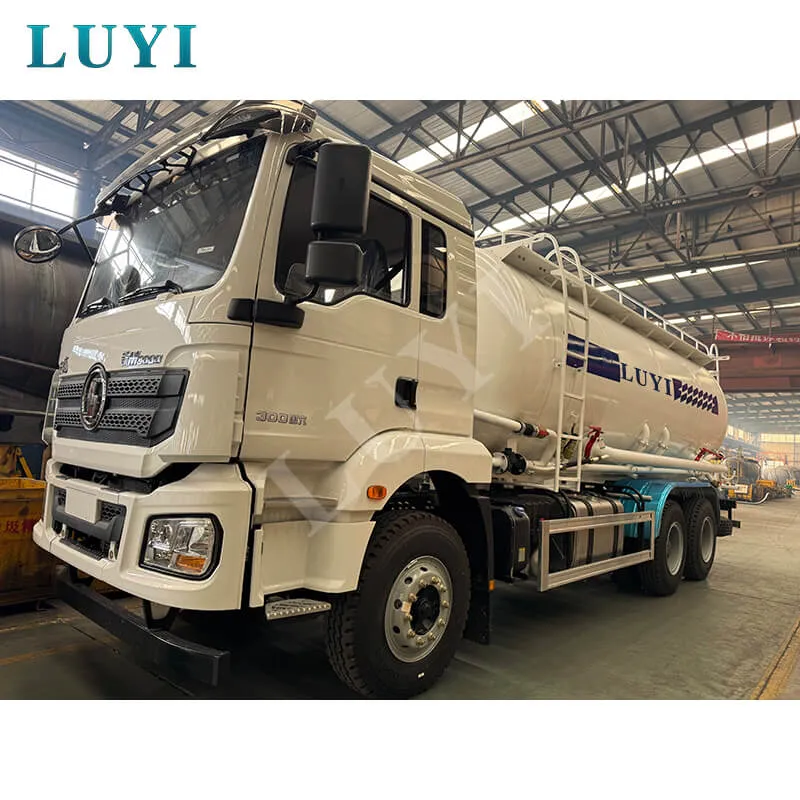
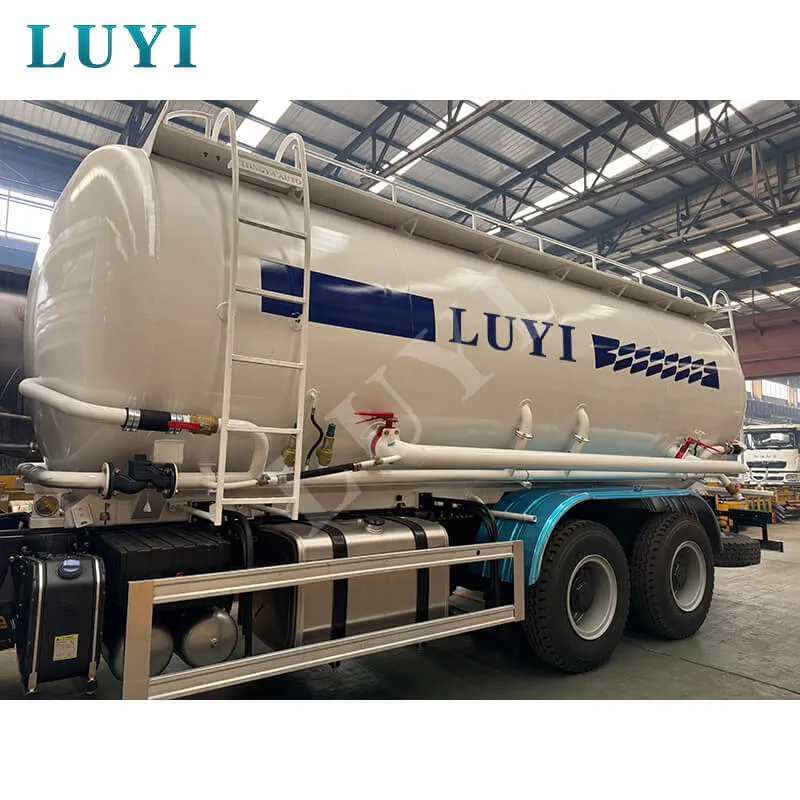
Bulk cement tank trucks are specially‑designed vehicles for transporting powdery bulk materials. They are widely used in construction projects, cement plants and building‑material logistics industries.
Mainly for delivering bulk cement, fly ash and mineral powder, they directly load and unload materials by pneumatic pressure without paper bags. They support large‑volume transportation for concrete mixing stations, road‑bridge construction sites and urban infrastructure works.
Compared with bagged cement transport, they cut packaging costs, improve loading‑unloading efficiency and reduce dust pollution. They play a critical role in large‑scale civil engineering and industrial material supply.
Technical Specifications:
| Overall dimension | 10500×2550×3800mm |
| Axle brand | Optional FC / FUWA / BPW / SAF |
| Tire | 12R22.5, Triangle / Linglong brand optional |
| Rim | 9.0‑22.5, 12 pieces |
| Kingpin | 90# assembled kingpin |
| Brake system | 4 double‑chamber & 2 single‑chamber air chambers, equipped with Ruili relay valve |
| Landing gear | 28T single‑action landing gear |
| Accessories | 1 spare tire carrier, 1 aluminum door‑type toolbox |
| Suspension | Mechanical suspension |
| Power & air supply | Standard with Changxing 4105 diesel engine; 12m³ double‑cylinder Fuda / Bohai air compressor |
| Manhole cover | 3 pieces furnished |
| Name | Warranty |
| Trailer warranty | Six years |
| Beam | Two years |
| Axle | Fifty thousand kilometers |
| Suspension | Six months |
| Landing gear | Six months |
| Other wearin parts | Three months |
Quality Inspection Before Delivery:
At LUYI AUTO, every semi-trailer goes through strict pre-delivery checks to guarantee reliability. Our technicians inspect welding quality, main beam dimensions, and structural strength one by one. We test axle, suspension, braking, and lighting systems to ensure full functionality. We also verify surface finish, anti-rust treatment, and accessory completeness. Only units passing all items get approval. We keep complete inspection records for traceability, so customers receive safe, durable trailers that meet export standards.
Optional Configurations:coat of final paint
ColorAs customer requirement
Packaging and Shipping:
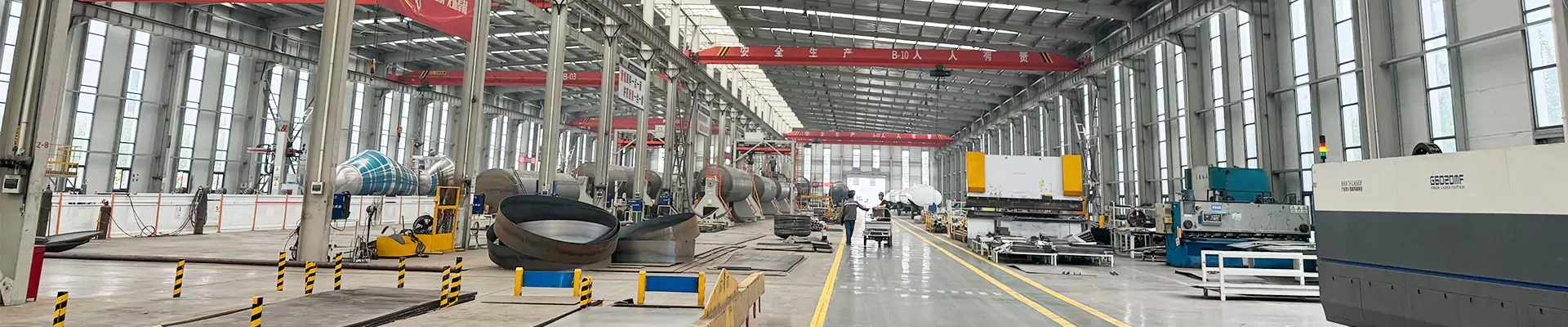
The semi-trailer is treated with anti-rust wax and marine paint for rust protection. Small parts are packed in cartons or wooden boxes and securely fixed. The vehicle is shipped by RO-RO, flat rack or bulk carrier from main Chinese ports. Before shipment, full inspection will be conducted. We provide complete shipping documents and can arrange door-to-door service. Lead time is 15–30 working days after deposit.
Why Choose LUYI AUTO:
Luyi Auto has long been known for making tough, reliable semi-trailers that perform well in real working conditions. We use strong materials and careful production to ensure our trailers handle heavy loads and rough roads without frequent breakdowns. With trusted certifications and solid build quality, our vehicles help cut down maintenance costs and keep your transport business running steadily.
We listen to our customers and provide custom solutions for different hauling needs. We accept flexible orders, deliver on time, and offer full after-sales support. Our prices are competitive and our service is responsive, which is why buyers around the world keep choosing us. Working with Luyi means choosing dependable quality and real, practical value for your business.
FAQ
Q: Standard discharging procedure?
Park steadily and engage parking brake & connect static grounding device and discharging pipeline → preheat equipment and stabilize air compressor speed → close main discharge valve, open intake valve and boost pressure to 0.18-0.24MPa → purge pipeline before slow discharging → confirm empty status via pressure drop → purge residual materials, release pressure, shut down equipment and remove pipelines.
Q: How to confirm the tank is fully discharged?
Tank pressure drops and stabilizes at 0-0.02MPa; air compressor load decreases with clear and crisp operating sound; only clean air flows out from the discharge outlet without powder residue.
Q: Failure to build up tank pressure?
Main causes: insufficient air supply from air compressor, air leakage of pipeline and tank, valve jamming, damp or blocked fluidization cloth. Solutions: clean filter elements, overhaul air compressor and valves, check air leakage points, clean or replace fluidization cloth.
Q: Slow and intermittent discharging?
Main causes: material caking, hardened or damaged fluidization cloth, pipeline blockage, unstable air compressor pressure, insufficient pressure difference. Solutions: clean caked materials and blocked pipelines, replace fluidization cloth, debug air compressor and pressure regulating valve.
Q: Can different powder materials be mixed for transportation?
Mixing transportation is strictly prohibited. Mixed materials will deteriorate and be scrapped, and easily block the fluidization system and pipelines. Thoroughly purge and clean the tank before switching materials.
Q: What goods can oil tanker trucks transport?
A: They can carry gasoline, diesel, crude oil, kerosene, edible oil, liquid chemical raw materials and other liquid cargo. Special tankers are used for hazardous flammable liquids.
Q: Are all tank trucks dangerous goods vehicles?
A: No. Tankers for edible oil, water and non-flammable liquid chemicals belong to ordinary tank trucks. Only vehicles loaded with flammable, explosive or toxic liquids are hazardous tankers with special certifications.
Q: What safety devices are equipped on fuel tankers?
A: Each tanker has anti-overflow sensors, emergency shut-off valves, fire extinguishers, static grounding wires, anti-explosion lamps and manhole covers with breathing valves.
Q: What certificates are required for transporting fuel oil?
A: The vehicle needs hazardous goods transport license, tank inspection certificate, and drivers must hold hazardous goods operation qualification certificates.
Q: Can one tank transport different types of oil alternately?
A: Not recommended. If switching cargo, the tank must be fully cleaned, ventilated and inspected to avoid liquid mixing, chemical reaction or quality pollution.
Q: How often should the oil tanker be maintained?
A: Daily inspection for leaks and valves before driving; full tank cleaning and mechanical maintenance every 3 months; annual official tank pressure and safety testing.